
Advertising & Activation
PHOTOGRAPHY | VIDEOGRAPHY | FPV | PODCASTS | PRINT & OUTDOOR | BRAND ASSETS
Make the brand worth remembering.
A good campaign starts with a strong idea and ends with work that people remember.
Advertising has a commercial job to do. It creates brand awareness, increases demand, and helps sell your product or service.
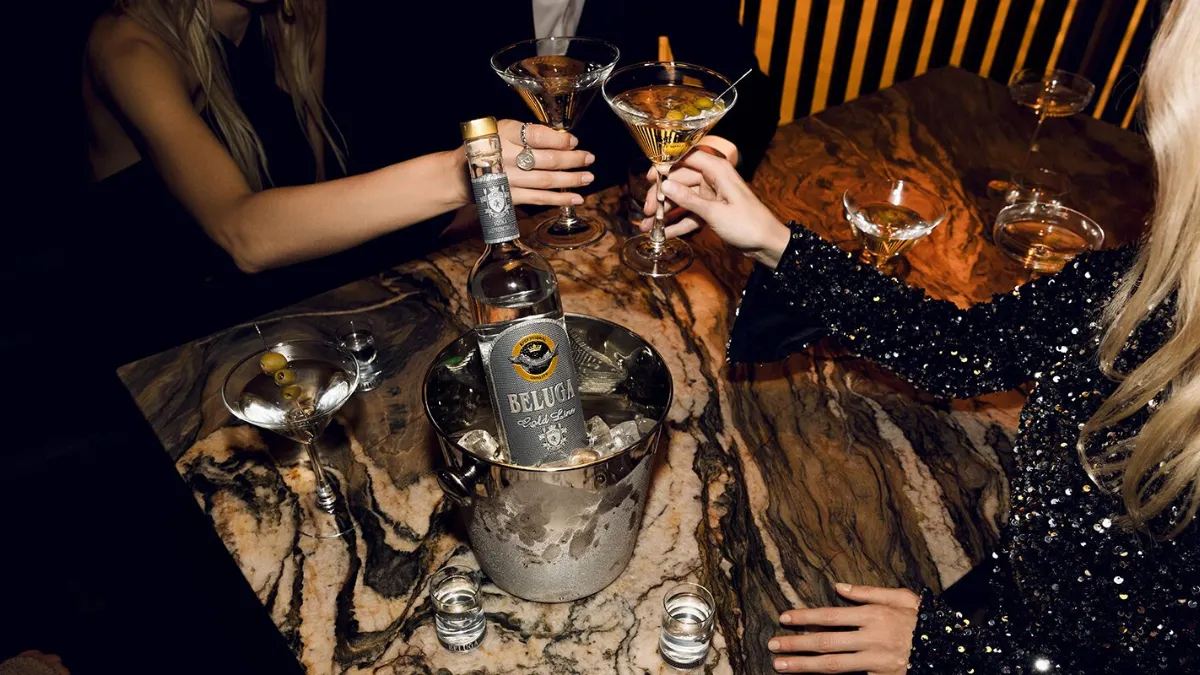
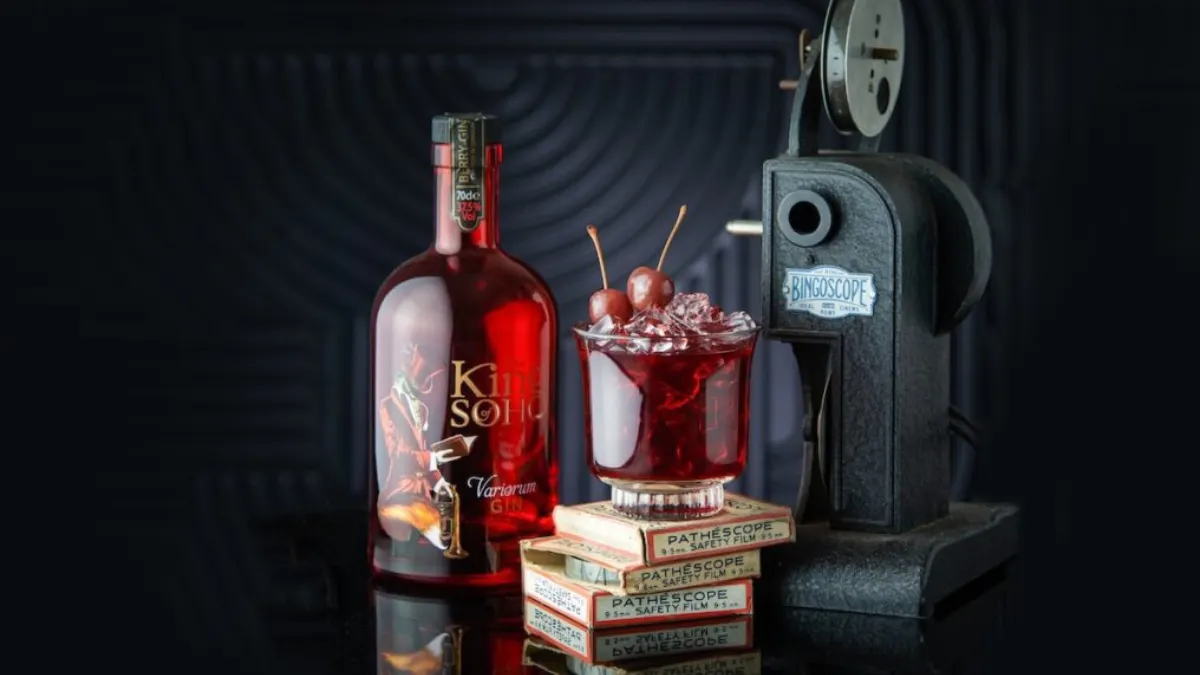
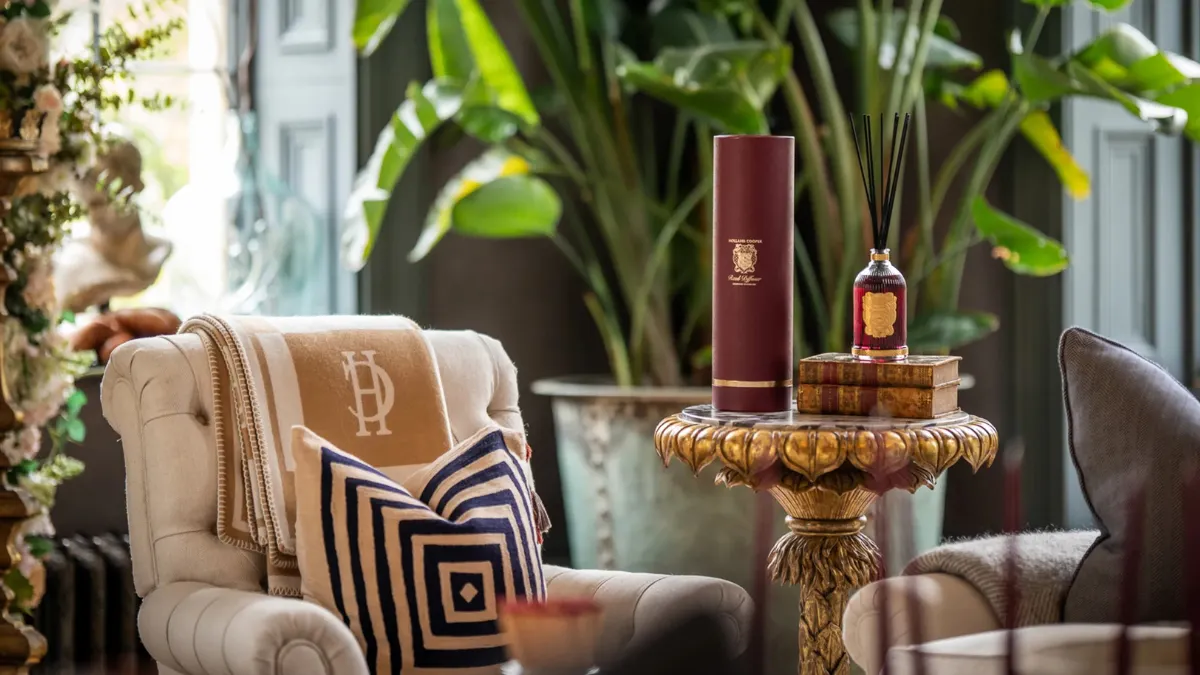
Coup develops and produces advertising across film, photography, print, outdoor, digital, and social. We can take a campaign from the initial idea through to the finished work, including concept development, copywriting, art direction, casting, location scouting, production, and post-production.
For film, that can range from product and brand films to larger commercial productions. Photography can cover campaigns, products, people, places, and interiors, as well as the image library a business needs for its website, press, social channels, and sales material.
We produce FPV films for hotels, property, retail, visitor attractions, and other spaces where showing the location in the best light is part of the sale.
Coup can also develop and produce branded podcasts, from format and identity through to recording, filming, editing, and the finished episodes.
Larger productions are built around the job. We bring in the directors, photographers, cinematographers, stylists, producers, editors, and other specialists required, and manage the production through Coup. You have one creative lead responsible for the work from beginning to end.
Campaigns can then extend into print, outdoor, digital, and the other assets required to put them into the world.
HOW ADVERTISING & ACTIVATION WORKS
01. Start with the job
Before we make anything, we agree on what the advertising is there to do.
You might be launching a product, entering a new market, trying to become better known, moving the brand upmarket or putting more weight behind something that already sells well.
That decision gives the campaign a job and gives us something useful to judge the work against.
02. Understand who we need to reach
We look at the people the campaign needs to influence, what already matters to them and what else is competing for their attention.
That includes what they already know about the brand, what they see from competitors and where there is an opportunity to say or show something more interesting.
This is usually much more useful than inventing a customer persona and giving them a name.
03. Develop the idea
Then we find the idea the campaign can be built around.
It has to work quickly. People rarely give much attention to advertising, so the point needs to land without an explanation beside it.
We also want an idea with enough room in it to make more than one advert. The strongest campaigns can be adapted, developed, and repeated for decades without losing what made them recognisable in the first place.
04. Make it and put it in the right places
Once we know the idea, we work out how best to bring it to life.
That could involve film, photography, outdoor, print, digital, social, podcasts, events, partnerships, launches, or work in the places where the product is actually sold.
We develop and produce the campaign through Coup, bringing in specialist talent and production partners where the job calls for it.
Where the advertising appears is part of the creative decision. A great outdoor idea does not necessarily make a great Instagram post, and a film worth watching should not be reduced to background content simply because every brand thinks it needs video.
05. Give it a chance to work
Good advertising needs exposure to become familiar.
We plan how the campaign launches, what gets repeated, how the different pieces work together, and where the budget will have the greatest impact. Activations, partnerships, PR, and events can give the campaign more reach when there is a good reason to use them.
Then we look at the data. If something is working, we build on it.