
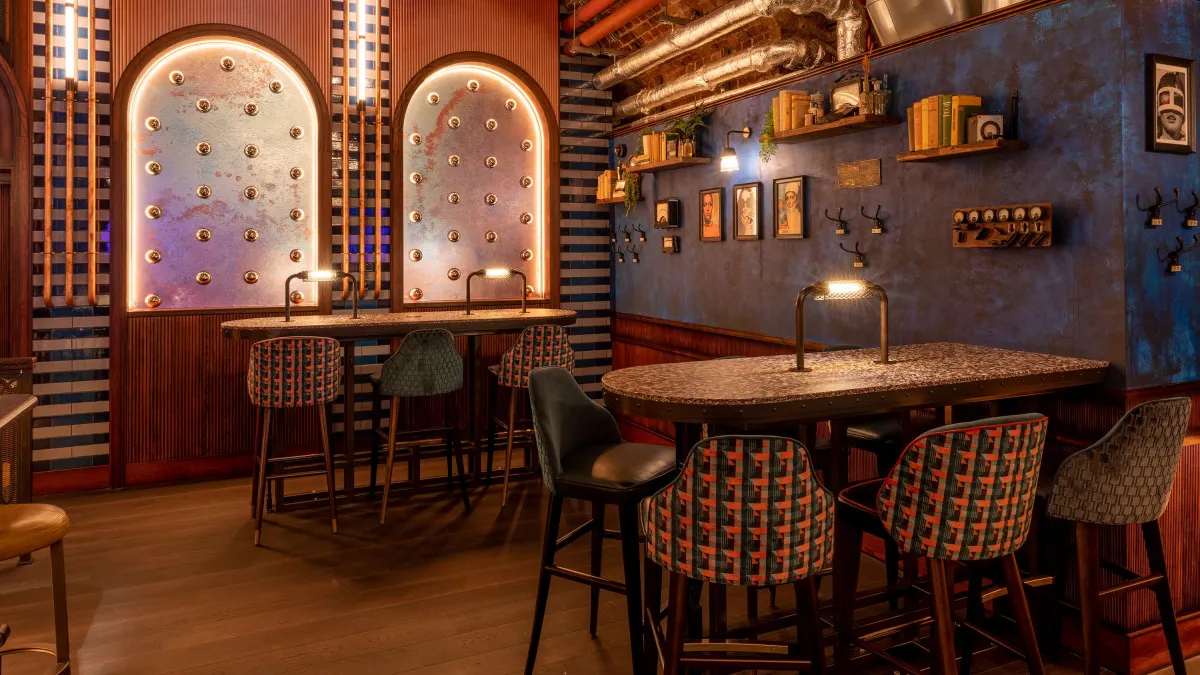
Spaces & Experiences
VISITOR CENTRES | HOSPITALITY | BOUTIQUE HOTELS | RETAIL & FLAGSHIP STORES | BRANDED SPACES
Give people a reason to visit.
A distinctive space does more than look impressive. It makes people want to visit, draws them into the story, creates memories, and makes them want to return.
We bring the brand, the space, the story, and the experience together.
- Hotels: We look at everything from arrival and reception to the bar, restaurant, corridors, and bedrooms. The aim is to create a story-rich hotel experience that people choose, remember, and recommend to others.
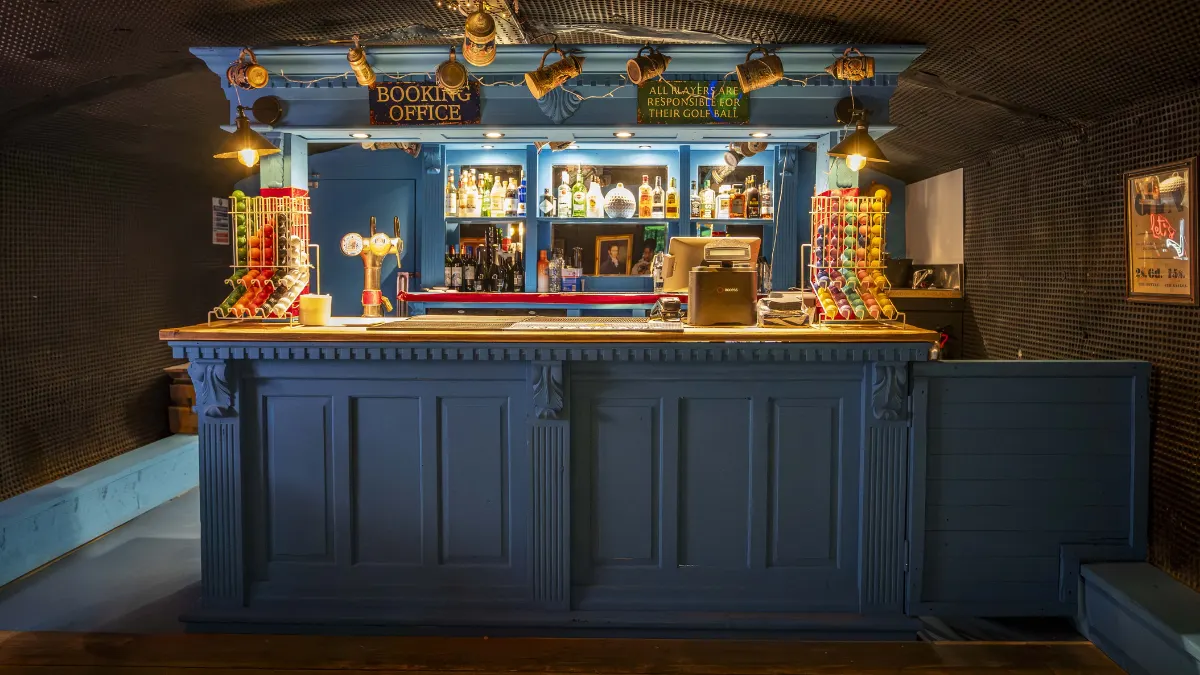
- Bars & restaurants: We shape everything from the layout, lighting, furniture, and music to the menus and service. The aim is to create a place people choose over the alternatives, enjoy being in, and want to return to.
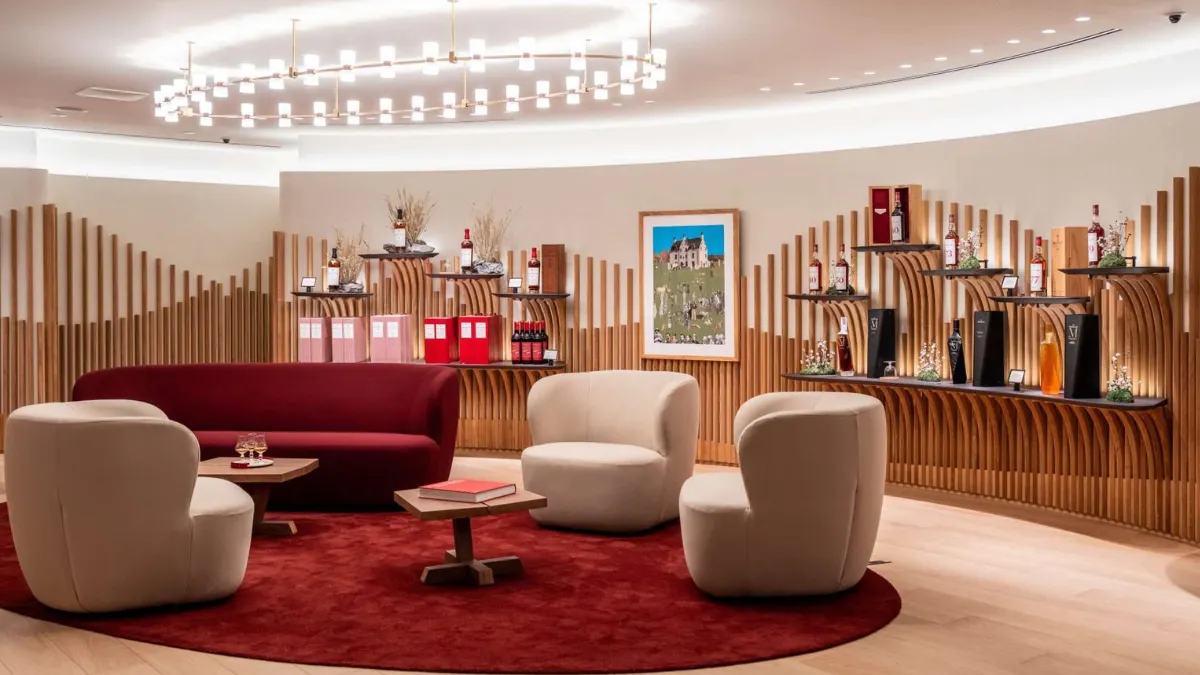
- Distilleries & visitor attractions: We look at the whole visit, from the tour and tasting to the shop and bar. We make it more enjoyable, more memorable, and more effective at building interest in the brand and its products.
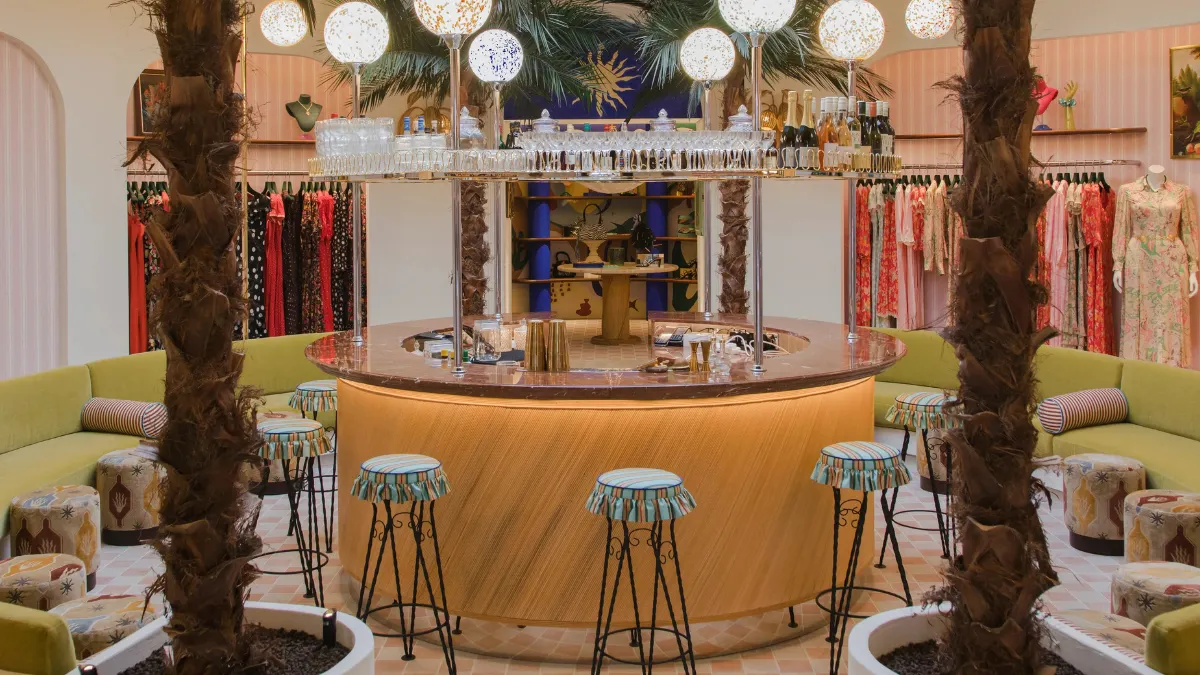
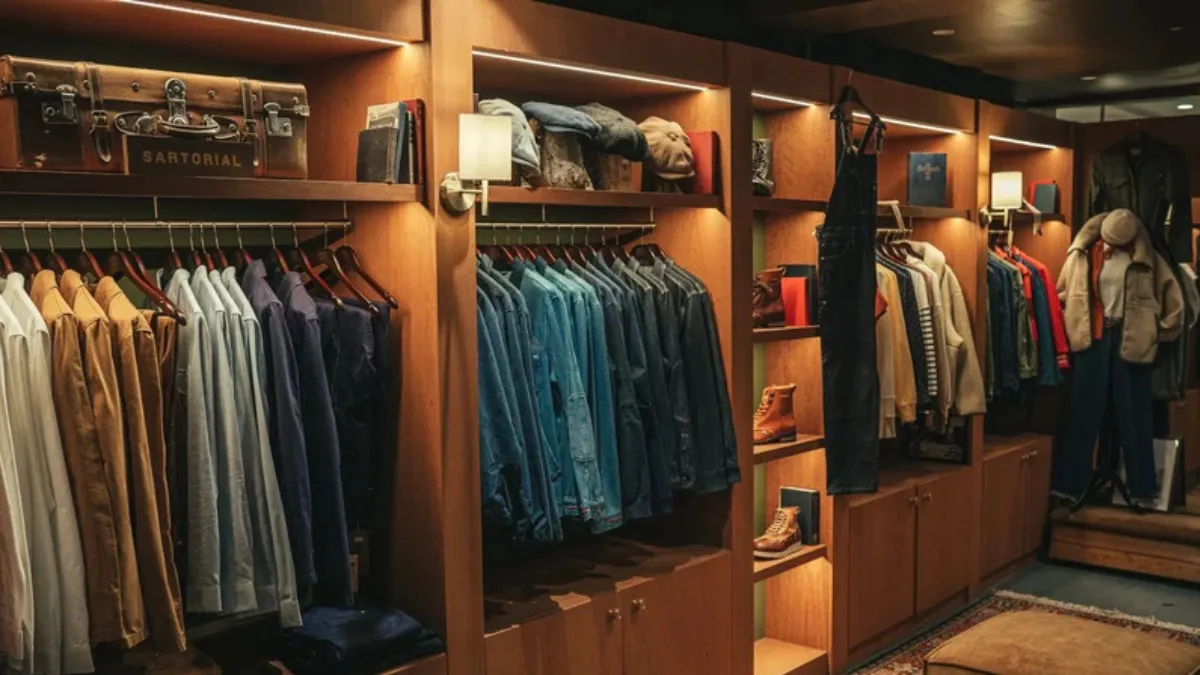
- Flagship stores: We design the layout, lighting, furniture, displays, materials, sound, and scent, as well as how products are presented, tried, and bought. The aim is to make the store itself part of the reason people choose the brand.
Project management
Depending on the requirements, we can work with our partners or alongside your architects, interior designers, builders, and suppliers. Our job is to create the branding brief, give everyone clear directions, and ensure individual decisions work together to create a coherent experience.
What we design
Depending on the project, we shape the customer flow, lighting, furniture, materials, sound, scent, signage, displays, menus, uniforms, service language, packaging, and digital touchpoints.
The result is a distinctive space that could not belong to anyone else.
HOW SPACES & EXPERIENCES COME TOGETHER
01. Understand who you need to attract
We start with the people you want to visit your space. What are they looking for? What will make them choose you? What do they expect at your price point, and what would make the experience worth remembering?
A hotel guest wants something different from a whiskey visitor or a restaurant customer. We work that out before deciding what the space should become.
02. Find the opening
Coup Intelligence lets us compare the business against a vast body of brands, places, and customer evidence. We can see which ideas, design choices, and experiences are common, which brands are setting expectations, what customers repeatedly praise or complain about, and where competitors look and feel the same.
That shows us where there is room to do something different and whether that difference matters to the customer.
03. See what customers experience now
If the business already exists, we visit it properly.
We arrive as a customer would, use the space, speak to staff and look at what happens throughout the visit. We find what already works, what gets in the way and where the experience feels no different from the competition.
That gives us something real to improve rather than designing from assumptions.
04. Decide what the experience should be
Before choosing furniture, colours or finishes, we decide what kind of place you are trying to create and why customers should care about it.
A hotel may need to feel private and exceptionally well looked after. A restaurant may need energy and theatre. A distillery may need to make the product and story much more interesting once people are there.
That direction gives everyone involved something clear to work towards.
05. Plan the visit
We work through what happens from the moment someone arrives until they leave.
Where do they enter? What happens first? What do they notice? Where do they wait, eat, drink, browse, buy or ask for help? Where can the experience be better?
We use those answers to decide what the space needs to do.
06. Design the details
Once the direction is clear, we design the things customers actually encounter.
Depending on the project, that can include the layout, lighting, furniture, materials, sound, scent, signage, displays, menus, uniforms, packaging, service and digital elements.
We can work directly with your architects, interior designers, builders and suppliers so everyone is working towards the same result.
07. Find problems before they become expensive
Where possible, we test the plans before everything is built or signed off.
We check whether customers can find what they need, whether products are presented properly, whether the lighting and signs work and whether staff can actually deliver the experience as intended.
It is much cheaper to fix those problems on paper than after the doors open.
08. Make it easy to maintain
Once the experience is agreed, we record the important decisions so your team knows how it should work.
That gives managers, staff and outside partners a practical reference when things are replaced, changed or added.
And if you open another location, you have a clear starting point instead of inventing everything again.