
Packaging
PACKAGING STRATEGY | PACKAGING DESIGN | RANGE ARCHITECTURE | LABELS | STRUCTURAL PACKAGING | UNBOXING EXPERIENCE
Make the product worth picking up.
Packaging has to do more than contain the product. It has to catch attention, communicate value, and give the customer confidence.
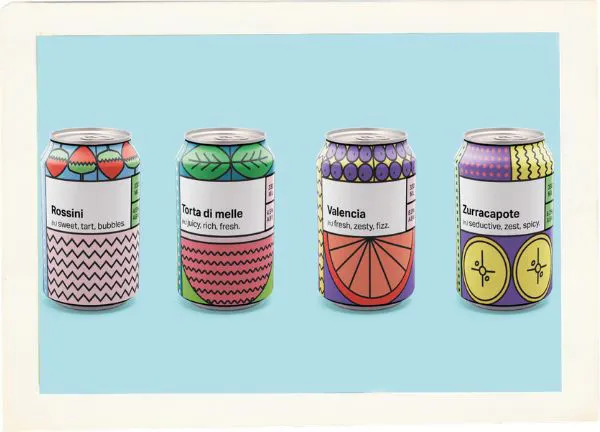
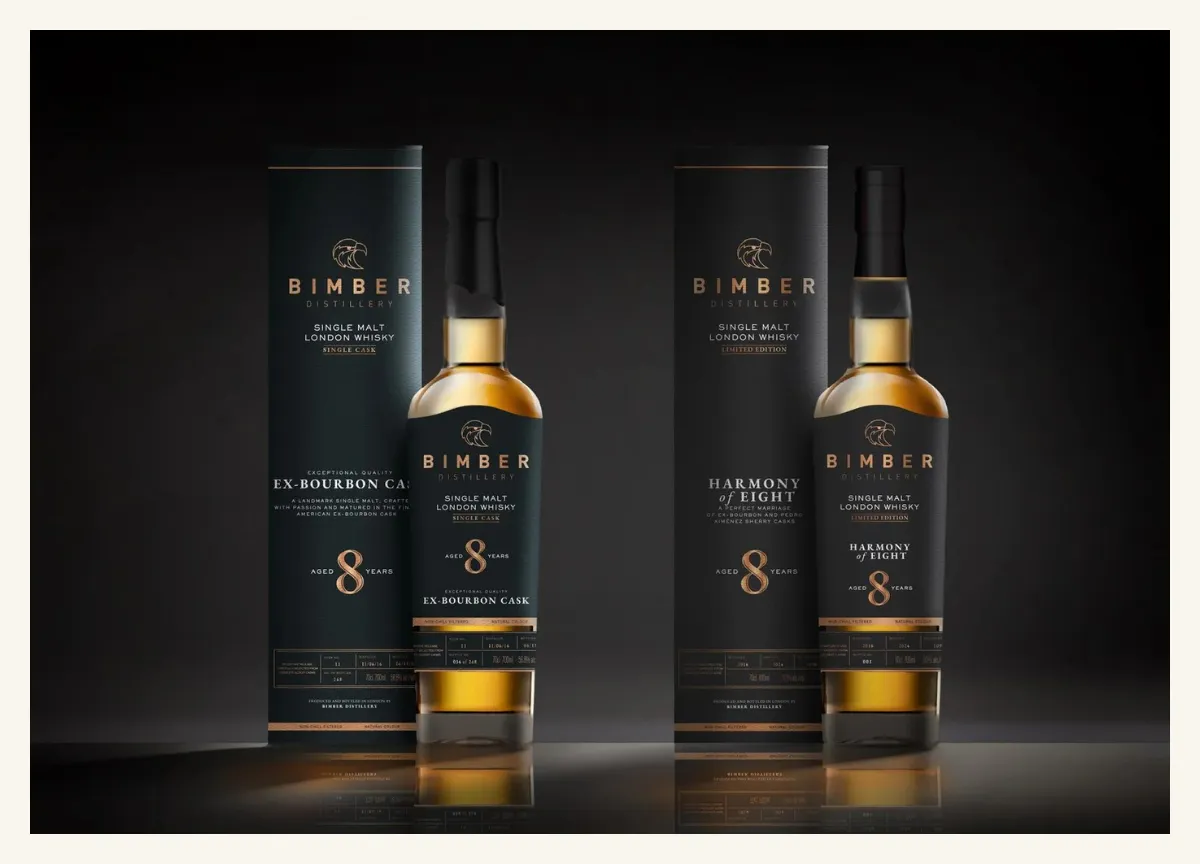
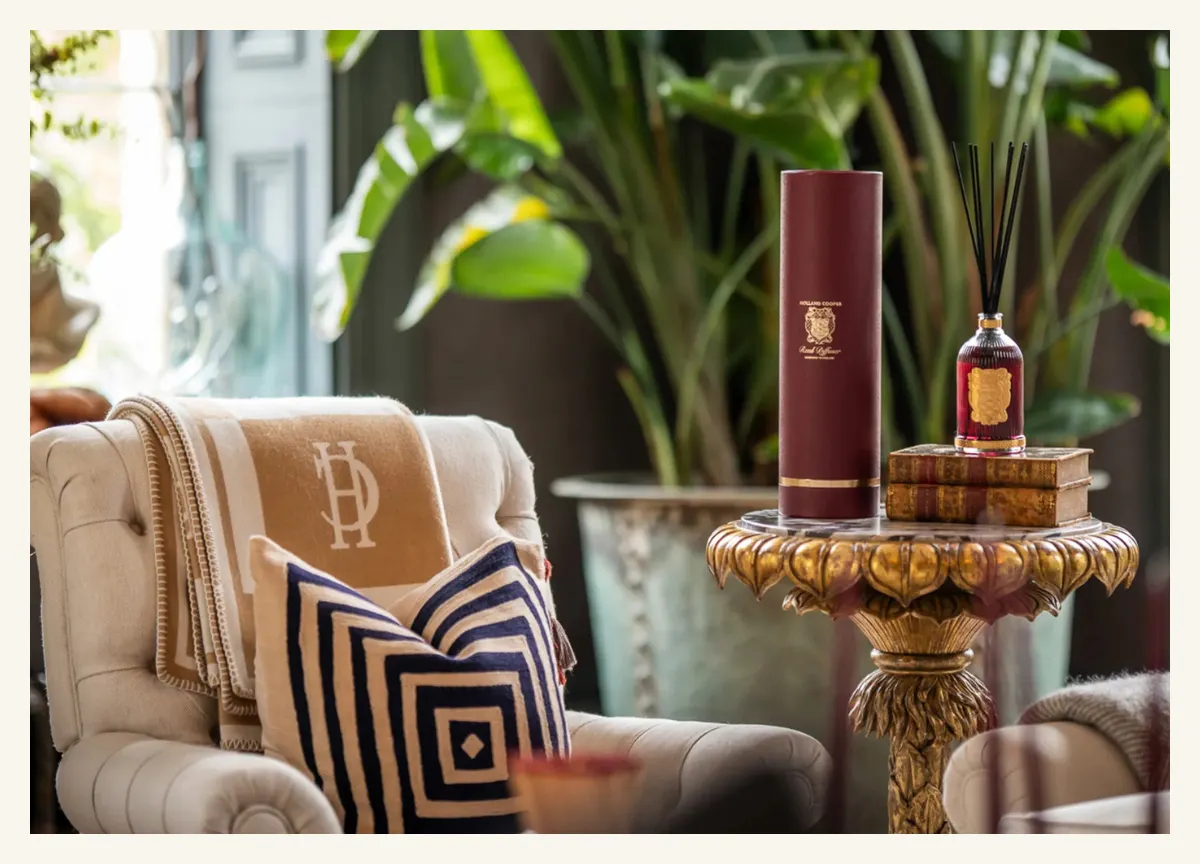
Coup designs packaging for consumer products, retail, hospitality, and other physical brand experiences. That can include labels, bottles, boxes, cartons, bags, sleeves, presentation packaging, gifting, amenities, takeaway packaging, merchandise, and complete product ranges.
We look at where the product will be seen, what surrounds it, its price, and what the customer needs to understand.
We design around your positioning and desired customer. Materials, structure, typography, colour, finishes, and format all contribute to how valuable and special the product feels.
For larger ranges, we also work on the architecture behind the packaging. Products, variants, sizes, tiers, and special editions need consistency to belong together and enough difference to make the range easy to understand.
Where the experience continues beyond the shelf, we develop how the product is presented, carried, gifted, or opened. That may include structural packaging, inserts, wrapping, presentation boxes, and other details around the product.
We take the design through to production-ready artwork and can work directly with printers, manufacturers, and suppliers throughout production.
Good packaging gives the product a stronger chance of being noticed, understood, and chosen.
How Packaging Works
1. Understand the job
We start with the product, the brand, and the commercial situation around it.
For an existing range, that means looking at the current packaging, how the range is organised, how it compares with competitors, and where it may be holding the product back.
For something new, we look at the market it is entering, the price, the surrounding competition, and the role it needs to play within the brand.
This gives us the basis for the brief.
2. Work out the structure
Before designing individual packs, we decide how the range needs to work.
That can involve naming, hierarchy, product families, variants, sizes, tiers, and the relationship between the main brand and individual products.
Getting this right early makes the range easier to understand and easier to expand later.
3. Design the packaging
We develop the design across the formats the project requires, from labels and cartons to structural packaging, presentation pieces, and larger ranges.
The work is judged in context: at the size it will be seen, beside competing products, across the full range, and at the price being asked.
We refine it until the system works as a whole.
4. Get it made properly
Once the design is agreed, we prepare the artwork and specifications for production.
We can work directly with printers, manufacturers, and packaging suppliers on materials, finishes, colour, structure, proofs, and samples.
That keeps the original design intact through the part of the process where details can easily get lost.
5. Keep the range working
For larger packaging systems, we document the rules needed to keep future products consistent.
As the range grows, we can also review how the packaging is performing, where customers may be getting confused, and whether new products still fit the system.
The aim is to give your business a packaging system that keeps working as the range develops.